Buy dataleyk.com ?
We are moving the project
dataleyk.com .
Are you interested in purchasing the domain
dataleyk.com ?
domain@kv-gmbh.de · 0541-91531010
Buy dataleyk.com ?
Which tenses exist in Swiss German that only have two tenses?
In Swiss German, there are two tenses that only have two forms: the present tense and the past tense. The present tense is used to talk about actions happening in the present, while the past tense is used to talk about actions that have already happened. Unlike in Standard German, there is no distinction between the simple past and the present perfect tense in Swiss German. **
Which tenses are related?
The tenses that are related in English are the simple present, simple past, and simple future tenses. These tenses are the basic forms of verb conjugation and are used to express actions or states that occur in the present, past, or future respectively. They are often used as building blocks for more complex tenses and can be combined with auxiliary verbs to convey different shades of meaning. Understanding the relationship between these tenses is essential for mastering English grammar. **


Similar search terms for Tenses
Top-Angebote
Products related to Tenses:
-
Uplift Essentials Triple Safety AirTag Integration Collar mintKeep your pet protected with the ultimate hightech security accessory: the TripleSafety AirTag Integration Collar. This isn't just a stylish neckband; its a comprehensive tracking and identification system designed to give you total peace of mind....56,97 $*Shipping: 0,00 $Secure redirect to the provider
-
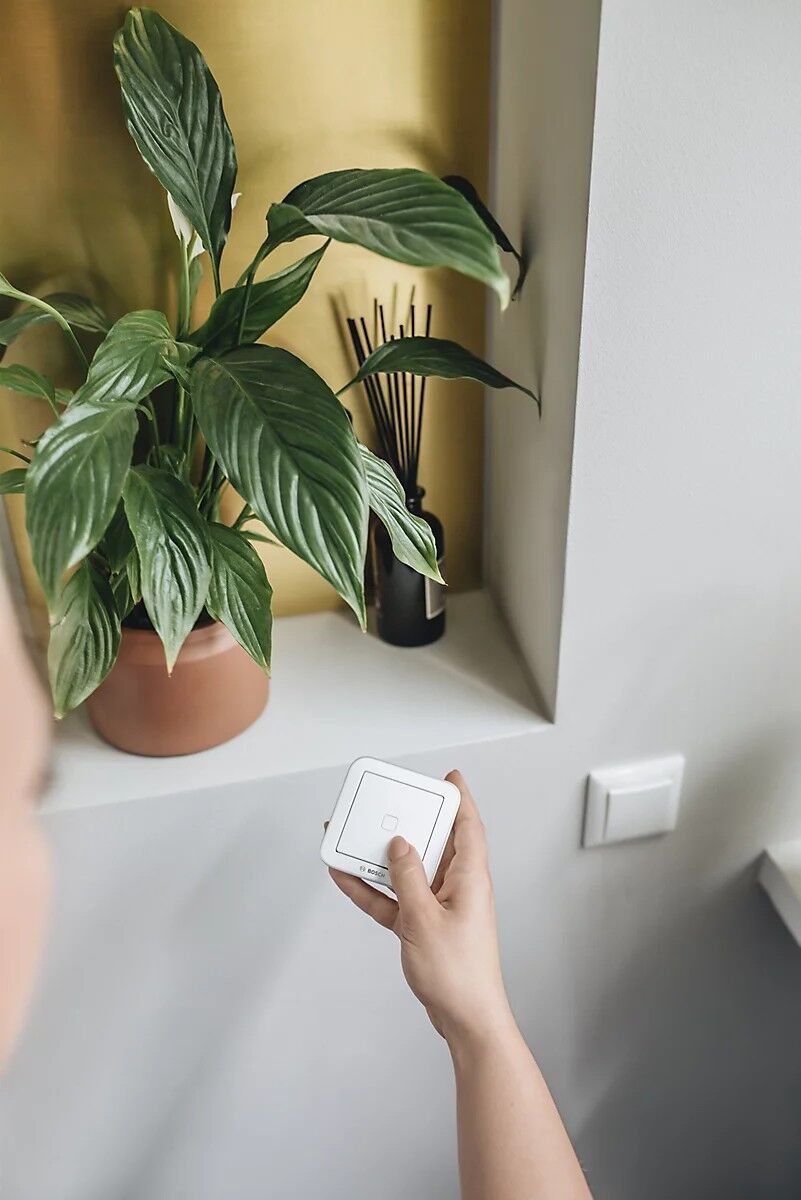
Bosch Smart Home Universal Switch Flex White Matt Slim Automation SwitchDescription Control your smart home devices with ease using the Bosch Smart Home Universal Switch Flex in White Matt. Designed for convenient automation and flexible placement, this slim wireless switch allows you to control connected Bosch Smart Home devices with a simple press. Featuring a modern raised slim profile and screwless design, the Universal Switch Flex blends seamlessly into any home interior. With wireless communication technology and low power consumption, it provides a reliable and practical solution for smart home control without the need for complex wiring. Ideal for lighting control, automation routines, and smart home scenarios, the Bosch Smart Home Universal Switch Flex offers a simple way to make everyday tasks more convenient.40,99 £*Shipping: 0,00 £Secure redirect to the provider
-
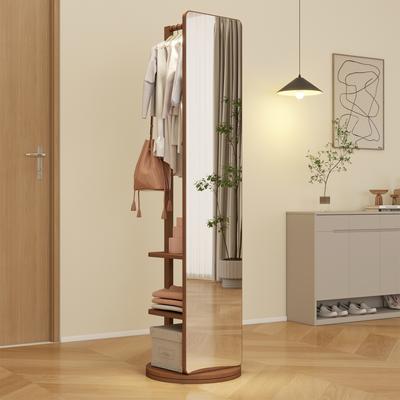
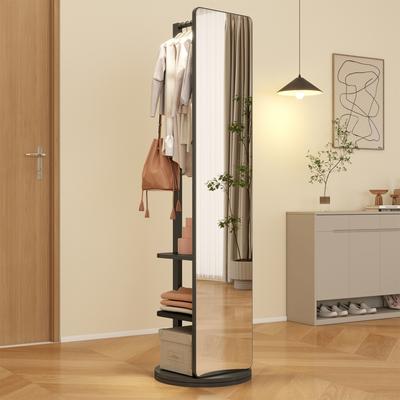
DEVERA Hanger and Full-length Mirror IntegrationSpecification Main Material: Rubber Wood,Solid Wood,Wood+Glass Product Style: American Design,Artsy,Beach,Contemporary,European Product Features Product Information: Full-length mirror, solid wood + rubber wood + glass, 68.8*19.6in (mirror width:...356,99 $*Shipping: 0,00 $Secure redirect to the provider
-
DEVERA Hanger and Full-length Mirror IntegrationSpecification Main Material: Rubber Wood,Solid Wood,Wood+Glass Product Style: American Design,Artsy,Beach,Contemporary,European Product Features Product Information: Full-length mirror, solid wood + rubber wood + glass, 68.8*19.6in (mirror width:...349,99 $*Shipping: 0,00 $Secure redirect to the provider

-
Which tenses are there in Swiss German that only have two tenses?
In Swiss German, there are two tenses that only have two forms: present and past. The present tense is used to describe actions happening in the present moment, while the past tense is used to talk about actions that have already occurred. These two tenses are commonly used in everyday conversations in Swiss German. **
-
Which tenses are there in Swiss German that have only two tenses?
In Swiss German, there are two tenses that have only two forms: the present tense and the past tense. The present tense is used to describe actions happening in the present moment, while the past tense is used to talk about actions that have already happened. Unlike Standard German, Swiss German does not have a separate future tense, so speakers use the present tense or auxiliary verbs to indicate future actions. **
-
Which tenses exist in Swiss German where there are only two tenses?
In Swiss German, the two tenses that exist are the present tense and the past tense. The present tense is used to describe actions that are currently happening or habitual actions, while the past tense is used to talk about actions that have already occurred. Swiss German does not have a separate future tense, as the present tense can also be used to express future actions. **
-
What are the English tenses?
The English language has 12 tenses, which are divided into three main categories: past, present, and future. Each category has four tenses: simple, continuous, perfect, and perfect continuous. The simple tenses refer to actions that are completed at a specific time, the continuous tenses refer to actions that are ongoing or in progress, the perfect tenses refer to actions that are completed before a specific time, and the perfect continuous tenses refer to actions that started in the past and are still ongoing. Understanding these tenses is essential for effective communication in English. **


What are the French tenses?
The French language has several tenses, including the present, past, and future tenses. The present tense is used to talk about actions happening in the present or habitual actions. The past tense is used to talk about completed actions in the past, and it has several forms such as the passé composé and the imparfait. The future tense is used to talk about actions that will happen in the future. Additionally, French has other tenses such as the conditional and the subjunctive, which are used to express hypothetical or uncertain actions. **
How can one recognize tenses?
One can recognize tenses by looking at the verb in a sentence and identifying the time frame in which the action is taking place. For example, if the verb ends in "-ed" it is likely in the past tense, while if it ends in "-ing" it is likely in the present continuous tense. Additionally, the use of helping verbs such as "will" or "has" can indicate future or present perfect tenses, respectively. Understanding the context of the sentence and the time frame being referred to can also help in recognizing tenses. **
Top-Angebote
Products related to Tenses:
-
DEVERA Hanger and Full-length Mirror IntegrationSpecification Main Material: Rubber Wood,Solid Wood,Wood+Glass Product Style: American Design,Art Deco,Artsy,Contemporary,European Product Features Product Information: Full-length mirror, solid wood + rubber wood + glass, 65.7*17.7in (mirror width:…302,39 $*Shipping: 0,00 $Secure redirect to the provider
-
AMX MU-3300 MUSE Automation Controller, 8 Serial (AMX-CCC033)The AMX MU-3300 MUSE Automation Controller is a powerful, secure, and reliable device that provides a dedicated computing resource running HARMAN Professional's AMX MUSE automation platform. The MU-3300 can simultaneously process a virtually unlimited number of scripts written in JavaScript, Python, or Groovy and natively supports Low-Code development with Node-RED. SpecificationsCountry of Origin: MexicoWeight: 8.3 lbs2418,49 £*Shipping: 0,00 £Secure redirect to the provider
-
Uplift Essentials Triple Safety AirTag Integration Collar mintKeep your pet protected with the ultimate hightech security accessory: the TripleSafety AirTag Integration Collar. This isn't just a stylish neckband; its a comprehensive tracking and identification system designed to give you total peace of mind....56,97 $*Shipping: 0,00 $Secure redirect to the provider
-
Bosch Smart Home Universal Switch Flex White Matt Slim Automation SwitchDescription Control your smart home devices with ease using the Bosch Smart Home Universal Switch Flex in White Matt. Designed for convenient automation and flexible placement, this slim wireless switch allows you to control connected Bosch Smart Home devices with a simple press. Featuring a modern raised slim profile and screwless design, the Universal Switch Flex blends seamlessly into any home interior. With wireless communication technology and low power consumption, it provides a reliable and practical solution for smart home control without the need for complex wiring. Ideal for lighting control, automation routines, and smart home scenarios, the Bosch Smart Home Universal Switch Flex offers a simple way to make everyday tasks more convenient.40,99 £*Shipping: 0,00 £Secure redirect to the provider
-
Which tenses exist in Swiss German that only have two tenses?
In Swiss German, there are two tenses that only have two forms: the present tense and the past tense. The present tense is used to talk about actions happening in the present, while the past tense is used to talk about actions that have already happened. Unlike in Standard German, there is no distinction between the simple past and the present perfect tense in Swiss German. **
-
Which tenses are related?
The tenses that are related in English are the simple present, simple past, and simple future tenses. These tenses are the basic forms of verb conjugation and are used to express actions or states that occur in the present, past, or future respectively. They are often used as building blocks for more complex tenses and can be combined with auxiliary verbs to convey different shades of meaning. Understanding the relationship between these tenses is essential for mastering English grammar. **
-
Which tenses are there in Swiss German that only have two tenses?
In Swiss German, there are two tenses that only have two forms: present and past. The present tense is used to describe actions happening in the present moment, while the past tense is used to talk about actions that have already occurred. These two tenses are commonly used in everyday conversations in Swiss German. **
-
Which tenses are there in Swiss German that have only two tenses?
In Swiss German, there are two tenses that have only two forms: the present tense and the past tense. The present tense is used to describe actions happening in the present moment, while the past tense is used to talk about actions that have already happened. Unlike Standard German, Swiss German does not have a separate future tense, so speakers use the present tense or auxiliary verbs to indicate future actions. **
Similar search terms for Tenses
-
DEVERA Hanger and Full-length Mirror IntegrationSpecification Main Material: Rubber Wood,Solid Wood,Wood+Glass Product Style: American Design,Artsy,Beach,Contemporary,European Product Features Product Information: Full-length mirror, solid wood + rubber wood + glass, 68.8*19.6in (mirror width:...356,99 $*Shipping: 0,00 $Secure redirect to the provider
-
DEVERA Hanger and Full-length Mirror IntegrationSpecification Main Material: Rubber Wood,Solid Wood,Wood+Glass Product Style: American Design,Artsy,Beach,Contemporary,European Product Features Product Information: Full-length mirror, solid wood + rubber wood + glass, 68.8*19.6in (mirror width:...349,99 $*Shipping: 0,00 $Secure redirect to the provider
-
Uplift Essentials Triple Safety AirTag Integration Collar blackKeep your pet protected with the ultimate hightech security accessory: the TripleSafety AirTag Integration Collar. This isn't just a stylish neckband; its a comprehensive tracking and identification system designed to give you total peace of mind....56,97 $*Shipping: 0,00 $Secure redirect to the provider
-
Uplift Essentials Triple Safety AirTag Integration Collar purpleKeep your pet protected with the ultimate hightech security accessory: the TripleSafety AirTag Integration Collar. This isn't just a stylish neckband; its a comprehensive tracking and identification system designed to give you total peace of mind....56,97 $*Shipping: 0,00 $Secure redirect to the provider
-
Which tenses exist in Swiss German where there are only two tenses?
In Swiss German, the two tenses that exist are the present tense and the past tense. The present tense is used to describe actions that are currently happening or habitual actions, while the past tense is used to talk about actions that have already occurred. Swiss German does not have a separate future tense, as the present tense can also be used to express future actions. **
-
What are the English tenses?
The English language has 12 tenses, which are divided into three main categories: past, present, and future. Each category has four tenses: simple, continuous, perfect, and perfect continuous. The simple tenses refer to actions that are completed at a specific time, the continuous tenses refer to actions that are ongoing or in progress, the perfect tenses refer to actions that are completed before a specific time, and the perfect continuous tenses refer to actions that started in the past and are still ongoing. Understanding these tenses is essential for effective communication in English. **
-
What are the French tenses?
The French language has several tenses, including the present, past, and future tenses. The present tense is used to talk about actions happening in the present or habitual actions. The past tense is used to talk about completed actions in the past, and it has several forms such as the passé composé and the imparfait. The future tense is used to talk about actions that will happen in the future. Additionally, French has other tenses such as the conditional and the subjunctive, which are used to express hypothetical or uncertain actions. **
-
How can one recognize tenses?
One can recognize tenses by looking at the verb in a sentence and identifying the time frame in which the action is taking place. For example, if the verb ends in "-ed" it is likely in the past tense, while if it ends in "-ing" it is likely in the present continuous tense. Additionally, the use of helping verbs such as "will" or "has" can indicate future or present perfect tenses, respectively. Understanding the context of the sentence and the time frame being referred to can also help in recognizing tenses. **
* All prices are inclusive of VAT and, if applicable, plus shipping costs. The offer information is based on the details provided by the respective shop and is updated through automated processes. Real-time updates do not occur, so deviations can occur in individual cases. ** Note: Parts of this content were created by AI.